CLEANING & MAINTENANCE GUIDE
How to Clean and Maintain Your Sausage Making Equipment
Two jobs at once: keep your family safe, and keep good gear working for decades. Neither is hard — both come down to a single habit. Here’s the full routine, straight from makers who clean up after every batch of boerewors.
KIT UP & SAVE
Sausage-Making Range
Grinder, press and mixer built to work as one system — kit up in one go and save.
5°C – 60°C
The “danger zone” where harmful bacteria thrive — which is just your kitchen bench on a normal day.
Doubles in 20 min
In that range, bacteria on raw mince can double in number in as little as 20 minutes.
1 → 2,000,000
Start with a single cell and you're past two million inside seven hours. That's what's multiplying in the auger.
There’s a moment every sausage maker knows. Great batch of boerewors done, the bench is a happy mess, and the last thing you feel like is pulling the grinder apart. So it sits.
Here’s what’s happening while it sits. Raw mince at bench temperature is a bacteria party, and the guest list doubles fast. Sitting anywhere between 5°C and 60°C — which is just your kitchen on a normal day — is what food safety authorities call the danger zone, and it’s exactly where harmful bacteria grow. The mince you missed is drying into the threads like cement at the same time.
So learning how to clean sausage making equipment properly is really two jobs at once: not making anyone sick, and not letting good gear rust out before its time. Neither is hard. Both come down to a single habit.
THE GOLDEN RULE
The one habit that prevents nearly everything
Clean straight after use. That’s the whole trick.
Almost every problem home makers hit traces back to letting the gear sit. Clean it the second you finish and residue never hardens, bacteria never settle in, and the job takes half the time. Leave it and that soft mince sets like cement inside the auger and stuffing tube, so now you’re soaking and scrubbing twice as long for no reason.
Finish stuffing, then clean immediately.
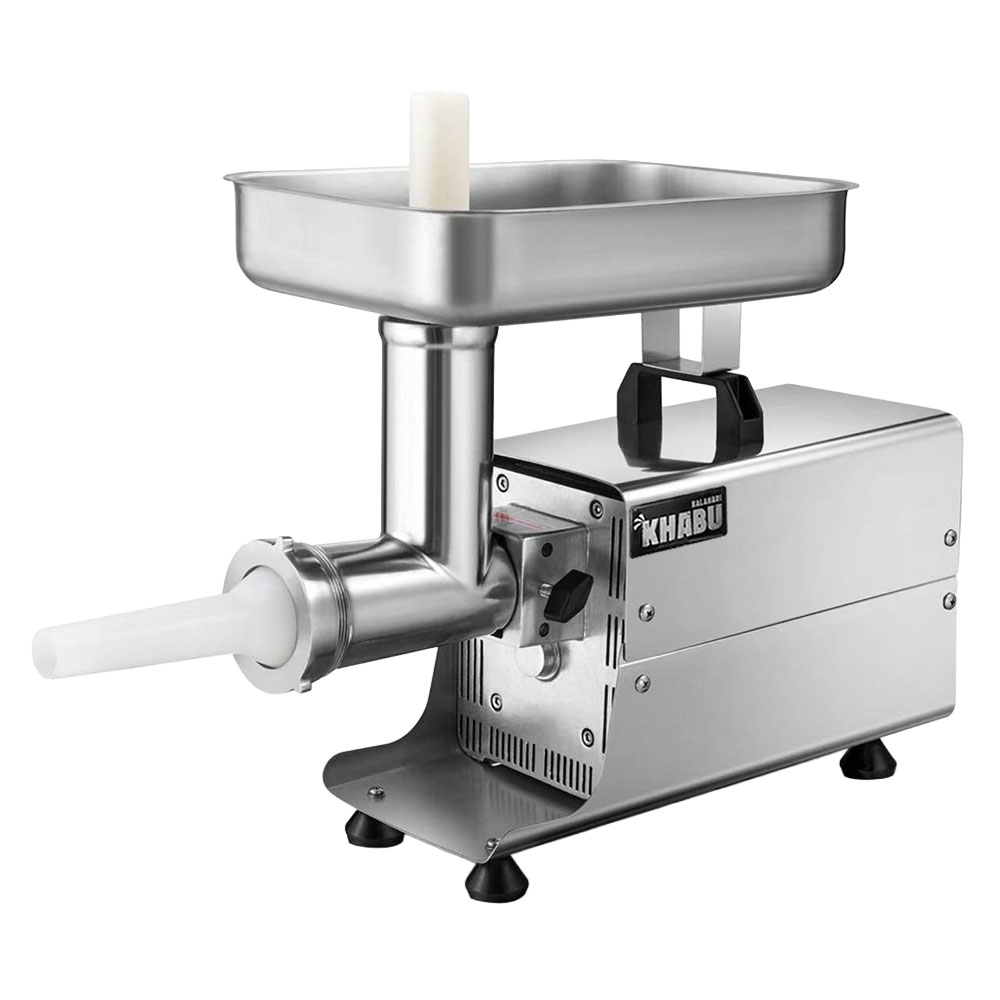
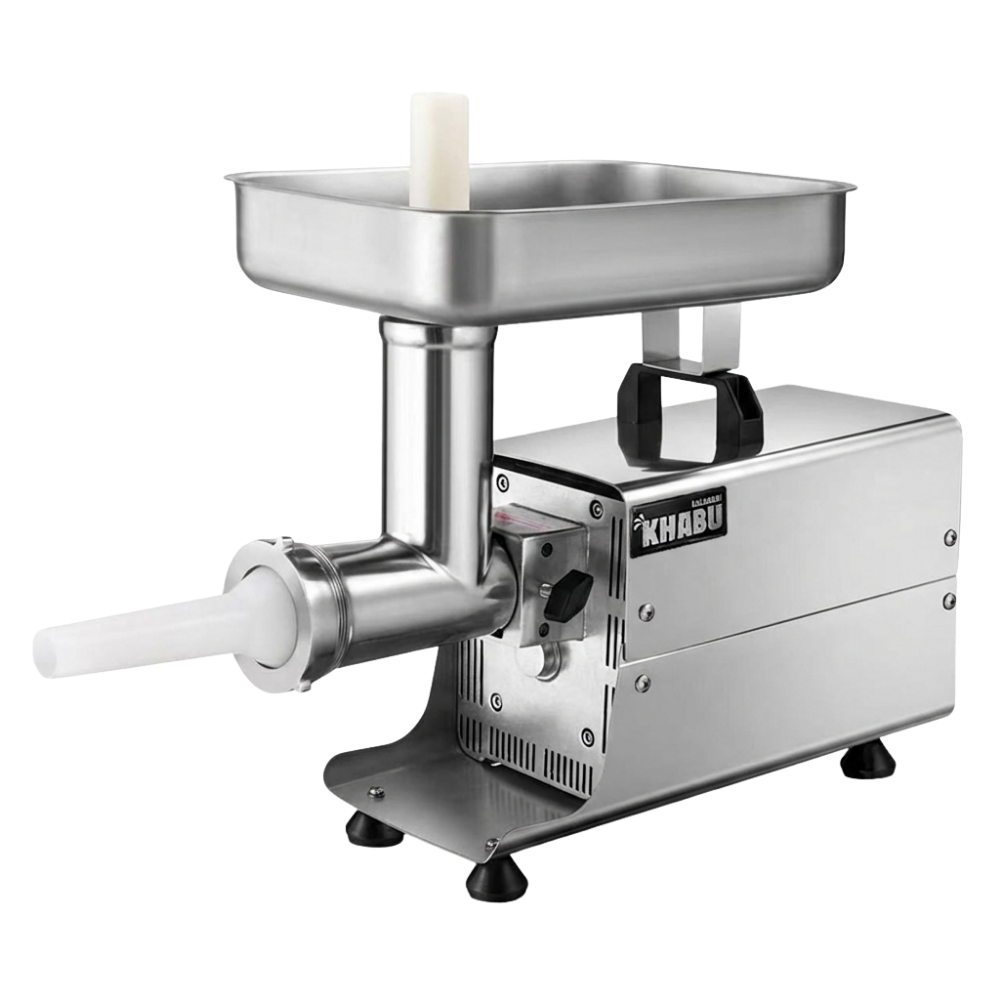
The gear you pick makes this easier or harder, mind you. Fewer parts means less to pull apart and less to dry, which is why a grinder with stuffing tubes built in, like the KK SL08 Meat Grinder wipes down quicker than a bench full of separate bits. If you’re still building your kit, the full sausage-making range is worth a look.
QUICK ANSWER
How do you clean sausage making equipment?
To clean sausage making equipment, disassemble it fully, wash every meat-contact part in hot soapy water, rinse in clean water, then sanitise with a food-safe solution. Always air dry completely before storing, and wipe metal parts with food-grade oil to stop rust.
The order to follow, every time
1. Disassemble
While the residue is still soft, straight after use.
2. Wash
All meat-contact parts in hot soapy water with a brush.
3. Rinse
In clean, plain water to remove the detergent.
4. Sanitise
With a food-safe sanitiser — not just soap.
5. Air dry
Fully. Never towel dry with a tea towel.
6. Protect
A thin wipe of food-grade oil on metal, store somewhere dry.
NO HAND-WAVING
What “food-safe sanitiser” and “food-grade oil” actually mean
Two steps in that list are where most guides wave their hands: “sanitise with a food-safe solution” and “wipe with food-grade oil.” Here’s what that means in practice, wherever you’re reading from.
For sanitising, you want a no-rinse, food-grade sanitiser. They’re all much the same thing — a phosphoric-acid formula that kills bacteria, needs no rinsing and leaves no taste — so it really comes down to what’s easy to get where you are:
| Where you are | Easy pick |
|---|---|
| South Africa | Star San (homebrew shops) |
| New Zealand / Australia | Star San, StellarSan |
| United Kingdom | Star San, Chemsan |
| United States | Star San, Saniclean |
You’ll find these in homebrew and winemaking shops, online or in store. A little goes a long way. Most dilute at roughly 1.5ml per litre of water, then you spray or soak, wait a minute or two, and let it drip. No rinse.
Rather not buy anything? The no-buy hack is a diluted bleach solution: about one tablespoon (15ml) of plain, unscented bleach per 4 litres of cool water, used on its own and rinsed off. Keep it as a fallback though, not your everyday choice, because chlorine is corrosive and gets hard on stainless over time.
For the oil, reach for food-grade mineral oil or a food-grade silicone spray. The cheap version most people miss: plain liquid paraffin from the pharmacy is food-grade mineral oil under a different name, and a small bottle lasts for years.
THE MESSIEST JOB FIRST
How to clean a meat grinder (mincer)
Your grinder does the messiest work, so it needs the most attention.
1
Run something through it first
Before you disassemble, push a few slices of stale bread through the grinder. It works like a sponge and a piston at once, soaking up grease and pushing trapped mince out, so you’ve got far less to scrub.
2
Take it fully apart
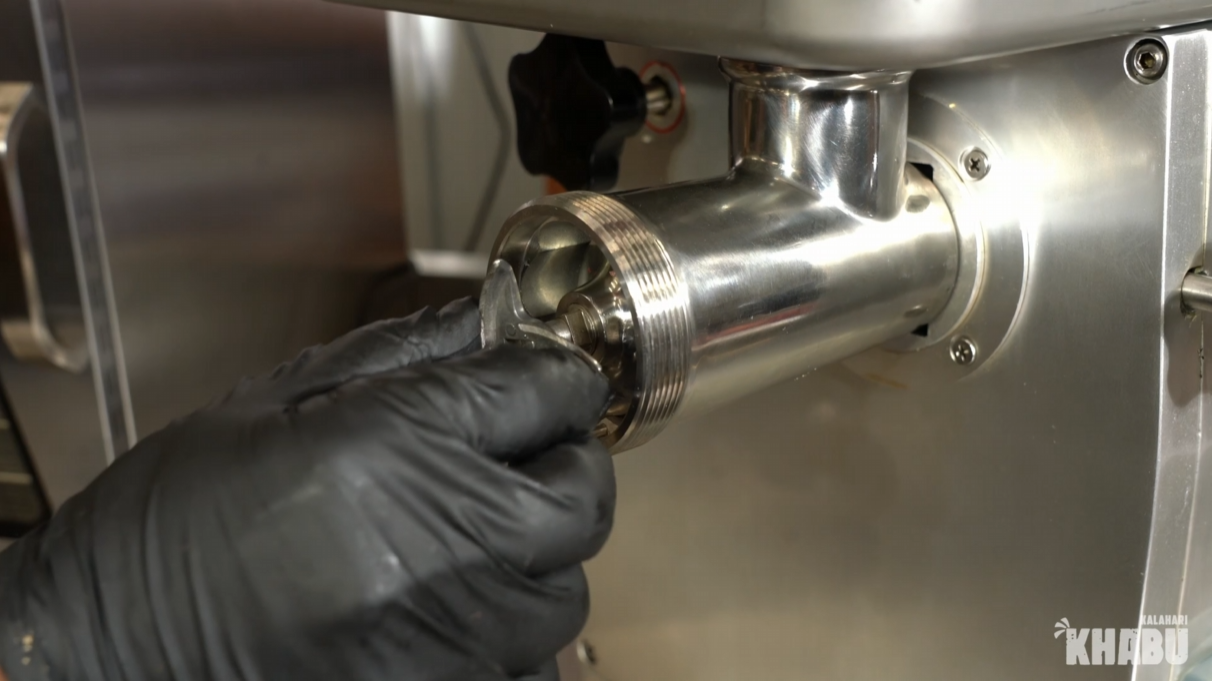
Unplug the unit, remove the grinder head, slide out the auger (Kalahari makers will know this as “the dragon”), and remove the blade and grinding plate. Don’t clean it half-assembled. The bits you can’t see are the bits that make people sick.
3
Wash in hot soapy water
Use a dish brush, and just as importantly a bottle brush or an old toothbrush for the auger threads and the inside of the grinder neck. Get into every groove.
4
Rinse, then sanitise
Rinse the soap off in clean water, then sanitise with a food-safe sanitiser (see the options above). A proper sanitising step matters more than people think, because soap alone doesn’t deal with bacteria.
5
Dry immediately and completely
This is where rust starts. Hand dry, then let the parts finish air drying before they go anywhere near a cupboard.
Stubborn goop or light rust
Brand-new grinders often arrive under a factory grease that shrugs off a normal wash. It’s a common gripe in maker forums, where one buyer washed a new stuffer three times and the residue still wouldn’t budge. Hot soapy water and patience usually win.
For light surface rust on older parts, a food-safe fix makers rate is a soak in white vinegar, then a gentle scrub with a fine pad, then a wash and a wipe of oil. Skip harsh abrasives, and never use steel wool on stainless, because the scratches it leaves become new homes for bacteria.
If your grinder doubles as your stuffer, like the KK SL08 with its stuffing tubes, the same routine covers both jobs. Fewer parts, less to hide, quicker cleanup.
SIMPLER THAN YOU THINK
How to clean a sausage stuffer
Stuffers are simpler than grinders, and there’s a clever trick the community loves for making them simpler still.
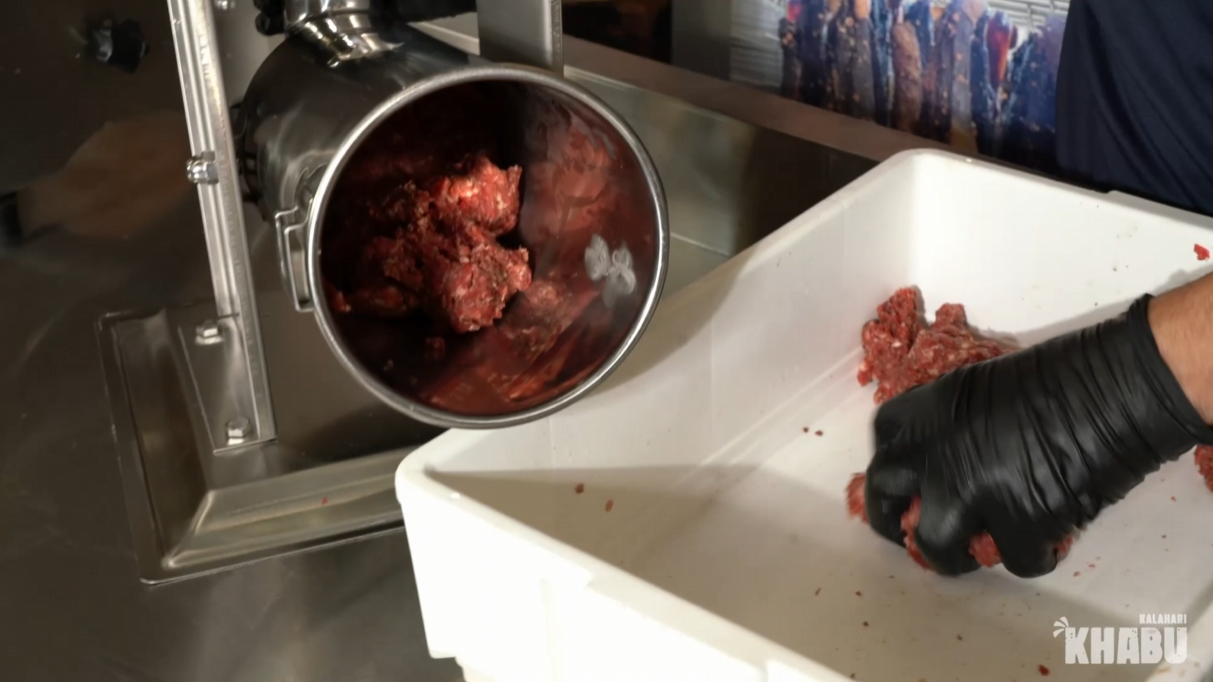
Only the parts that touch meat or your hands actually need washing. Experienced makers lay cling film over the sections that don’t touch meat, like the base and gears, so afterwards you just peel it off and those parts stay clean. Less to disassemble, less to dry.
For the parts that do need it — the canister, piston and stuffing tubes:
- Wash in hot soapy water, with a bottle brush for the tubes. The stuffing horn is the spot people most often half-clean, so give it real attention (there's a whole r/sausagetalk thread on shifting a stubborn one).
- Rinse and sanitise.
- Air dry, then a light spray of food-grade lubricant on the piston o-ring and moving parts keeps everything sliding smoothly and rust-free.
If the last bit of mince is being stubborn in a tube, one maker’s fix is a round-handled wooden spoon sized close to the horn’s bore to push it clear.
One more thing worth flagging: not every stuffer can be fully submerged. If yours has a sealed gearbox, wipe that section down and sanitise it rather than dunking the whole unit.
Browsing the sausage-making range while you’re at it saves a second order later.
Don't forget the supporting cast
How to clean a meat mixer
If you use a mixer for larger batches, treat it like the grinder. Remove the paddles or agitators, wash and sanitise every surface the meat touched, and pay attention to the corners and the base of the bowl where seasoning and fat collect. Detachable parts trap food and moisture, which is exactly why food-safety guidance singles out mixers and processors as high-risk for buildup. Dry fully before it goes away.
How to clean a spice grinder
Spice grinders get forgotten because they don't touch raw meat, but old ground spice goes stale, clumps, and taints your next blend. For a dry spice grinder, don't drown it. Wipe the bowl and blade with a barely-damp cloth, then run a small amount of plain rice or dry bread through to absorb the oils and lift the residue. Wipe again and let it air out fully so no moisture is trapped near the motor. Give it a proper clean between strong spices so your coriander doesn't come out tasting of chilli.
WHERE RUST REALLY STARTS
Drying and storage
You can clean perfectly and still ruin your gear at the drying stage. Two rules matter most.
1. Air dry, don't tea-towel dry
Cloths and tea towels carry bacteria and can re-contaminate the parts you just cleaned, which is why no-rinse sanitising setups rely on air drying in the first place. Hand dry to knock the water off if you like, then let the parts finish in the open air.
2. Oil your metal before storage
A thin wipe of food-grade mineral oil on blades, plates and the auger creates a barrier against moisture, and it's best done after every wash on clean, dry parts. Store everything somewhere dry, and if your kit came in a case, make sure the parts are bone dry before they go back in, or you're just sealing moisture against the steel.
WATCH A FIRST-TIMER
See it done from scratch
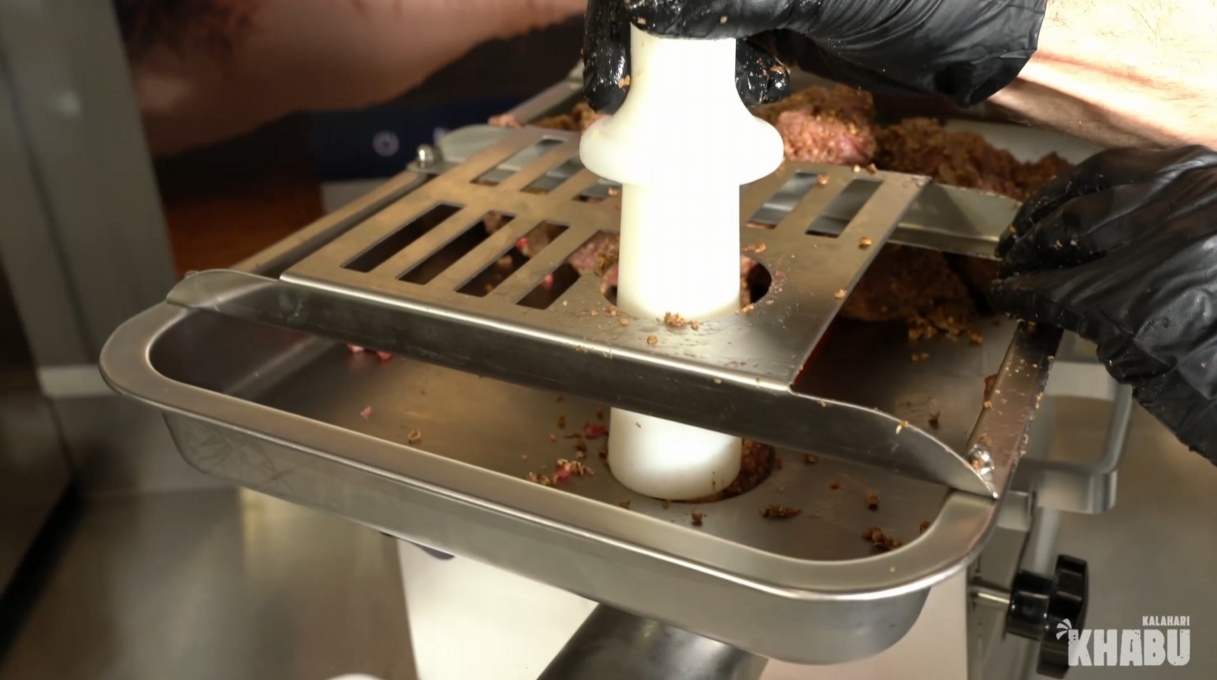
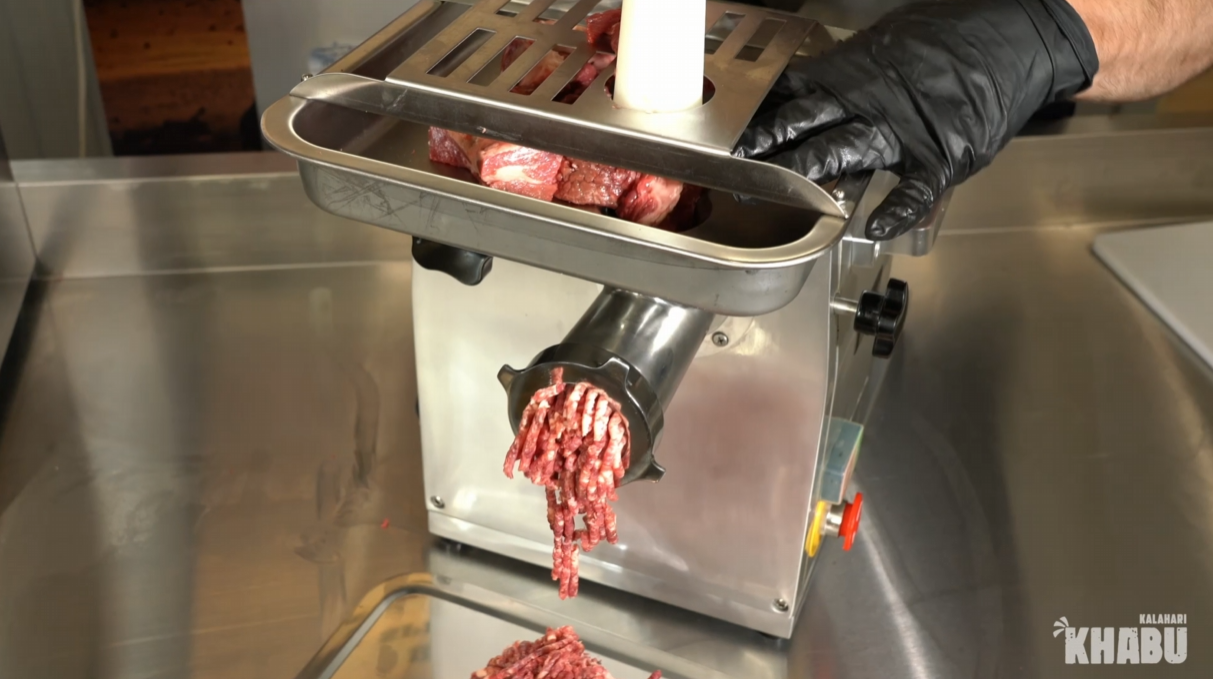
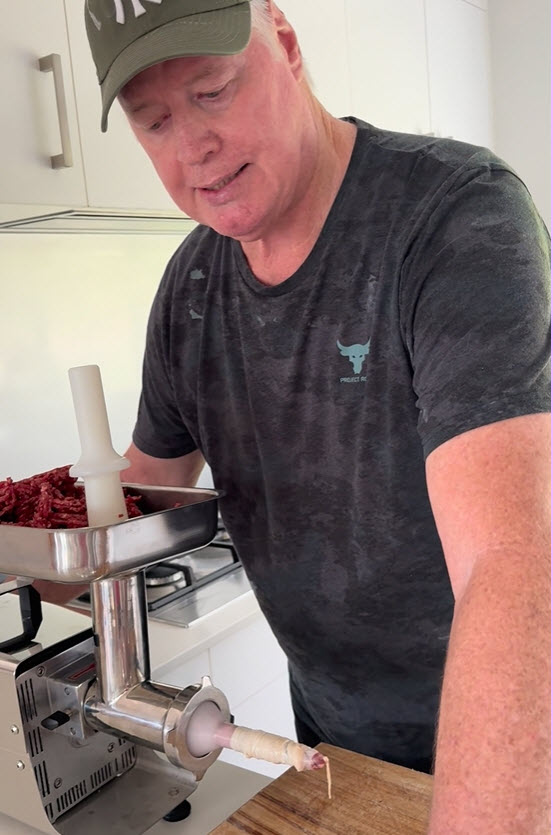
This is a first-timer running rump steak through their KK grinder — grinding, seasoning, grinding again, then filling casings for a batch of breakfast sausages. No prior experience.
Watch how slow and controlled it stays. That’s the same thing that makes it easy to clean afterwards: nothing gets forced, so no mince ends up rammed into spots you can’t reach. Easy to run, easy to strip down.
MAKE IT LAST
Routine maintenance to make your gear last
Cleaning keeps your equipment safe. Maintenance keeps it working. A few habits from people who process a lot of meat:
- Lubricate the knife and plate before you grind. This isn't only about rust. Skip it and the blade and plate run metal on metal, which creates friction and heat, and seasoned makers warn that heat can start cooking the meat as it passes through. One long-time maker's rule is simply to oil your plates and knives before you start. Use a food-grade silicone or mineral oil, not vegetable oil, which turns rancid and sticky over time.
- Keep the blade sharp. A dull grinder blade smears fat instead of cutting it, which heats the mince and hurts texture. Sharpen or replace worn cutting sets.
- Replace worn seals and o-rings. A perished gasket lets meat creep into places you can't clean. Swap them as soon as they look tired.
- Check before you store, check before you use. A ten-second inspection catches a loose screw or a bit of rust before it becomes a ruined batch.
Covered by warranty
Kalahari Khabu equipment comes with a warranty covering the working parts, so if something wears out you can request replacement parts rather than replacing the whole unit. That's worth knowing before you go hunting for a generic gasket.
A quick word on sanitising safely
Two things trip people up here.
Vinegar alone is a cleaner, not a reliable sanitiser
It's a weak acid, and on its own it isn't strong enough to bring bacteria down to safe levels. Use it to lift grime or light rust, then follow with a proper food-safe sanitiser.
Never mix bleach and vinegar
It's a common cleaning hack that's genuinely dangerous, because combining them releases toxic chlorine gas. If you sanitise with a diluted bleach solution, stick to the food-safe ratio (about one tablespoon of unscented bleach per 4 litres of water), use it on its own, and rinse it off. When in doubt, reach for a purpose-made food-safe sanitiser instead.
REAL MAKERS, REAL TRICKS
What the sausage-making community says
The best cleaning wisdom comes from people who’ve already made every mistake, and the sausage-making subreddits are full of it.
On r/sausagetalk, one user says, “Putting a few slices of bread through your grinder at the end of your grind helps get much of the meat bits out,” which is exactly the kind of small trick that makes cleanup easier — Cleaning Tips & Tricks : r/sausagetalk
When talk turns to sanitising, the same community compares every method going, from dishwasher sanitise cycles to boiling parts, white vinegar spray and diluted bleach washes (sanitizing your equipment : r/sausagetalk). The takeaway is the one from earlier: clean first, then pick a food-safe sanitiser you trust.
Over on the forums, the maintenance message is just as blunt: oil first, grind second. Run dry and it’s metal on metal, which means friction and heat. It’s the same reason food-safe oil beats a cooking spray.
BUILD YOUR KIT
Gear that's built to be cleaned
Hardened stainless steel, full disassembly, no hiding spots. Pick the setup that matches your batches.
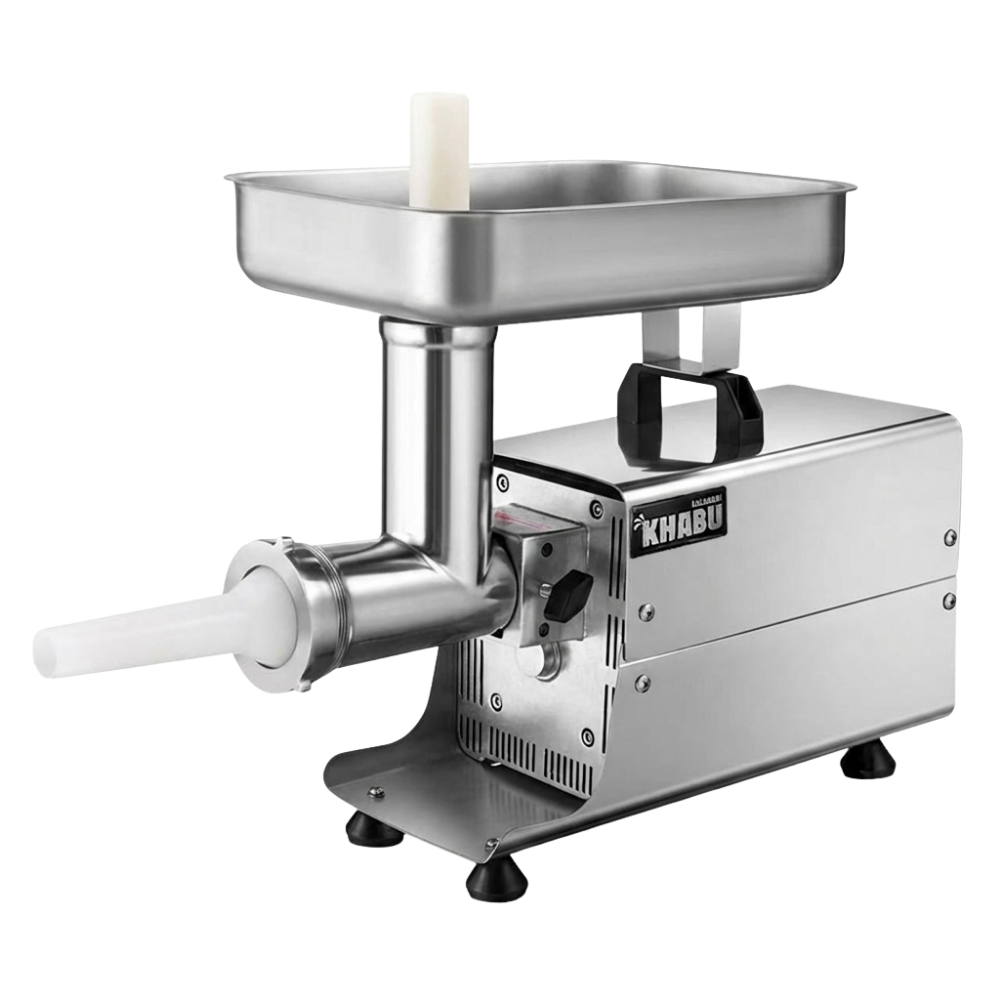
KK SL08 Meat Grinder
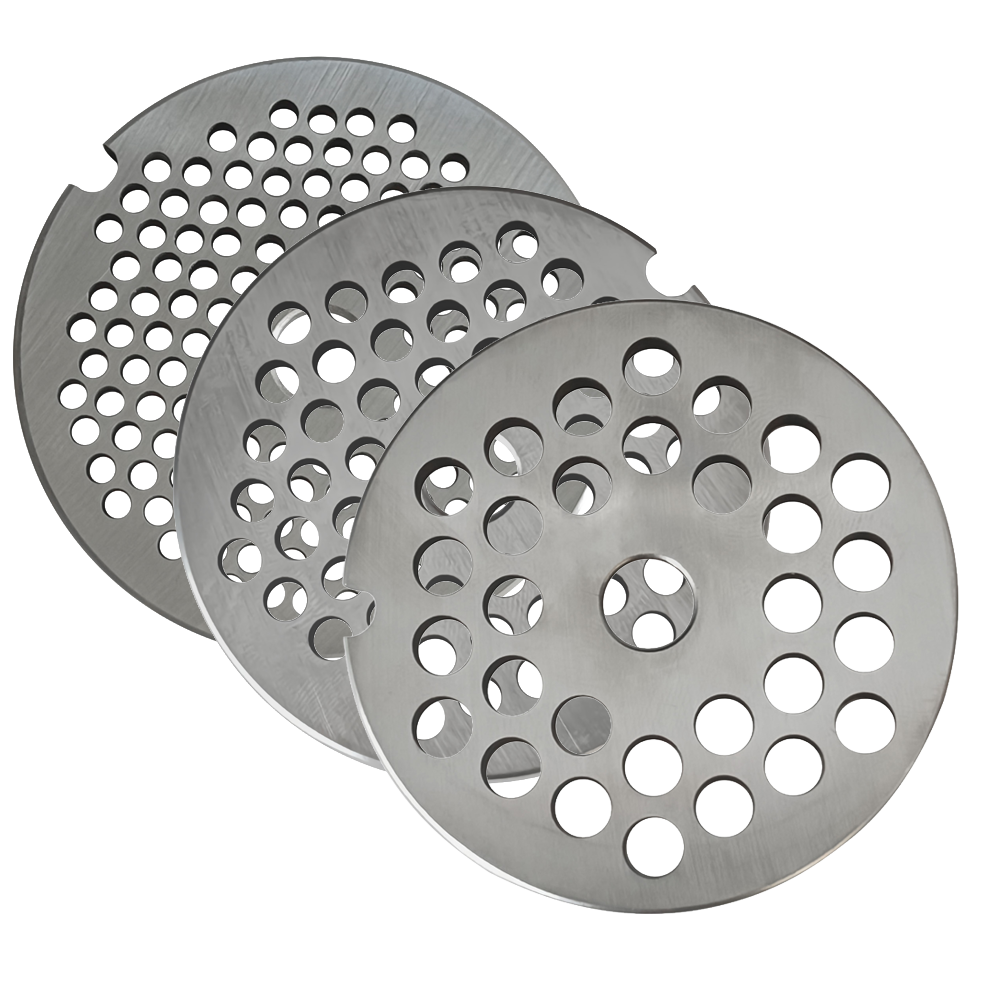
The everyday workhorse. Heavy-duty stainless steel, 3 grinding plates and stuffing tubes included — all food-contact parts pull straight off for cleaning.
KK Sausage Press 10L
Fill casings fast with a dedicated press. Big 10L canister, smooth piston, and simple parts that wash up in minutes.
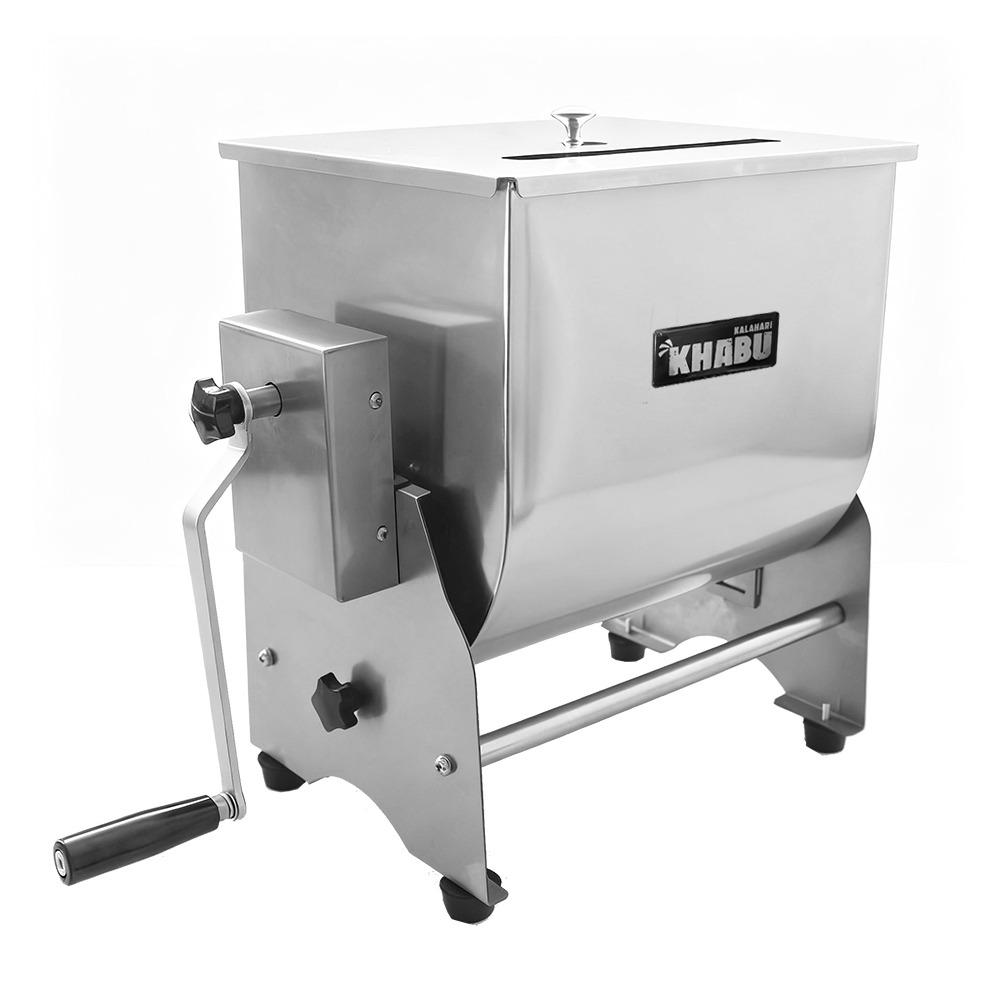
KK Meat Mixer 26L
Mix big batches evenly before stuffing. Removable paddles and an open bowl make it as easy to clean as it is to use.
STILL WONDERING?
Frequently asked questions
Sometimes, but carefully. Some manual grinder and stuffer parts are dishwasher-safe, and the hot cycle helps sanitise. But heat and harsh detergent can dull blades and damage seals, and the cycle won’t reach inside narrow tubes well, so hand washing anything with a cutting edge or a gearbox is the safer call — and never submerge the motor housing. Check your manufacturer’s guidance first.
Dry it completely after every wash, then wipe the metal parts with a thin layer of food-grade mineral oil before storing. Store it somewhere dry, and never put it away damp or seal wet parts inside a case.
After every single use, without exception. Anything that touched raw meat gets washed, rinsed, sanitised and dried the same day, because bacteria in the danger zone multiply within hours. A deeper inspection and re-oil is worth doing before long spells in storage.
Food-grade silicone spray or food-grade mineral oil. Avoid vegetable oils and cooking sprays, which go rancid and gummy, and never use general-purpose machine oils on food-contact parts.
Ready to start your own batch?
Browse the KK sausage-making range, or go straight to the grinder that cleans up in minutes. Free shipping across South Africa.